Allovetie: Your Go-To Handwritten Font for Every Project
There’s a particular kind of warmth that only a handwritten font can bring to a design. It’s the feeling of a personal note, a carefully crafted label, or an invitation that feels genuinely human. In a digital world saturated with clean, geometric sans serifs and formal serifs, this personal touch stands out. That’s where Allovetie enters the picture. It’s not just another script font; it’s a versatile design asset crafted to inject personality and approachability into a wide range of creative work.
Understanding Allovetie's Unique Character
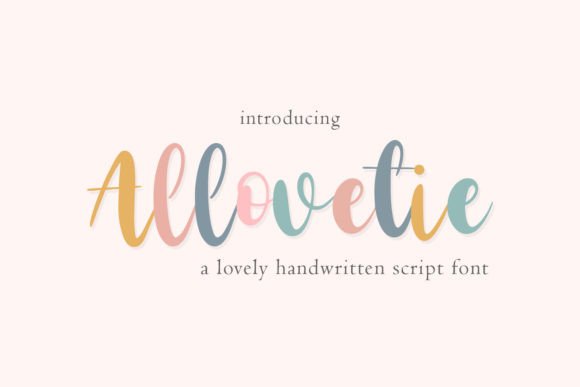
At its core, Allovetie is a lovely and cute handwritten script font. But let’s unpack what that means for your projects. The letterforms exhibit a natural, flowing rhythm, reminiscent of someone’s actual penmanship. You’ll notice subtle variations in stroke width and baseline, which are key markers of authentic handwriting. This prevents the font from looking sterile or overly mechanical. Its personality strikes a balance—it’s friendly and inviting without being childish, and elegant without being stuffy. This makes it a premium font choice for creators who need a typeface that conveys sincerity and style simultaneously.
Visually, Allovetie leans into a modern interpretation of script fonts. It avoids the overly ornate flourishes of traditional calligraphy, opting instead for a cleaner, more readable aesthetic. This design philosophy makes it incredibly adaptable. Whether you’re designing a logo design for a boutique bakery or creating social media graphics for a lifestyle brand, Allovetie maintains its legibility while adding that crucial layer of personal connection.
Where Allovetie Truly Shines: Practical Applications
The real test of any creative font is how it performs in the wild. Allovetie’s strength lies in its chameleon-like ability to fit into diverse contexts. For packaging design, imagine it on a artisanal coffee bag or a handmade soap label. The font immediately communicates care and craftsmanship, helping the product feel special before it’s even opened. In editorial design, it can be used for pull quotes, chapter titles in a cookbook, or headings in a lifestyle magazine, breaking up the monotony of body text and drawing the reader’s eye.
Digital creators will find it particularly useful. As a web design element, Allovetie can be used for hero section call-to-actions, blog post titles, or featured quote graphics. On social media, it’s perfect for creating engaging story templates, quote cards, and promotional banners that feel personal and shareable. For entrepreneurs and small business owners, it’s a tool for building a cohesive brand identity. Use it across your business cards, website, and product tags to create a consistent, approachable voice that resonates with your audience.
Beyond Aesthetics: The Strategic Impact
Choosing a font is a strategic decision that influences more than just looks. Allovetie’s handwritten style directly impacts visual hierarchy. By setting a key message in this script, you immediately signal its importance and create a focal point. It can guide a viewer’s eye through a layout, from a prominent headline to supporting details. This is crucial in marketing materials where capturing attention quickly is paramount.
Furthermore, the font shapes brand perception. A consistent use of Allovetie across touchpoints helps build recognition and fosters a sense of familiarity. Customers begin to associate the font’s friendly, authentic character with your brand, which can enhance trust and loyalty. It’s a subtle but powerful component of professional branding, moving beyond generic templates to create a memorable identity.
Integrating Allovetie into Your Design Workflow
Adopting a new typeface requires thoughtful implementation. First, always consider the project’s context. Allovetie is a display font, meaning it’s designed for impact at larger sizes, like headlines and logos. It’s not intended for long paragraphs of body copy. For that, you’ll need a complementary sans serif font or serif font. A classic font pairing might involve using Allovetie for headings and a clean, neutral sans serif like Lato or Open Sans for the body text. This creates a clear hierarchy and ensures readability.
Before finalizing, test the font in your specific application. How does it look on a mobile screen versus printed on cardstock? Does it maintain clarity at the size you need? Review the font package for any additional styles or ligatures. Some premium script fonts include alternate characters that can help you avoid repetitive letterforms and create a more customized look. Always check the commercial font licensing to ensure it covers your intended use, whether for a client project, merchandise, or digital products.
Ultimately, Allovetie is more than just a handwritten font. It’s a versatile tool in the modern typographer’s toolkit, capable of elevating projects from the mundane to the memorable. By understanding its personality and applying it strategically, you can harness its power to connect with your audience on a more human level, one beautifully crafted letter at a time.